Riley and Fannie Bartholomew: Building a Community from the Ground Up
In 1852, Riley and Fannie Bartholomew arrived in what would become Richfield, Minnesota, among the area’s very first settlers. Riley, who had married Fannie Watkins, claimed a parcel of land on the east side of Wood Lake, where the couple would begin to build their life together.
But the Bartholomews were more than pioneers—they were community builders. Riley helped construct Richfield’s first school and church in 1854, creating the foundations for a thriving settlement. His neighbors soon recognized his leadership, and he served as Justice of the Peace for Hennepin County from 1854 to 1863. Riley’s dedication extended beyond local affairs: he was elected as a territorial delegate to Minnesota’s 1857 Constitutional Convention and later represented District Four in the state senate from 1859 to 1860.
Through their vision, determination, and service, Riley and Fannie Bartholomew helped transform open prairie into a vibrant community, leaving a legacy that continues to shape Richfield today.
Visit the Historic Bartholomew House
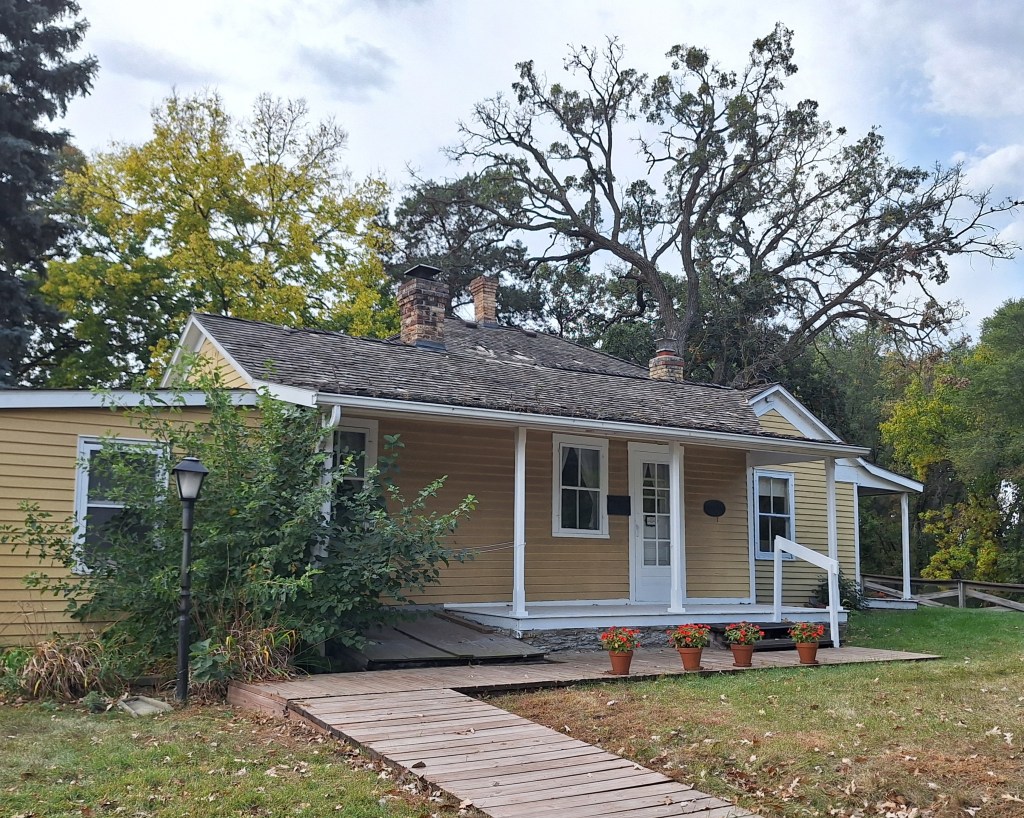
Step back in time at the Bartholomew House, one of the few remaining examples of a typical 19th-century home in Minnesota. This historic farmhouse offers a unique glimpse into daily life in early Richfield while also connecting visitors to important moments in state history.
Explore how the house once served as a courthouse, learn about Riley Bartholomew’s role in shaping the community, and discover the fascinating connections between the home and the Dakota War of 1862.
With its original architecture and carefully preserved artifacts, the Bartholomew House invites visitors of all ages to experience history firsthand. Whether you’re a local resident or a visitor from afar, it’s a chance to see how one home helped shape a community and a state.
Virtual Tour
Bartholomew House Restoration
Many visitors have noticed that the roof of the Bartholomew House is in need of repair. What’s less visible, however, is that the second-story supporting wall is gradually shifting away from the rest of the house, a structural issue that must be addressed before the roof can be replaced.
In the meantime, our fundraising efforts are ongoing, and we are pleased to share that the Minnesota Historical Society (MNHS) grant application has been officially submitted. We are now awaiting the next steps in the process.
A heartfelt thank you goes to everyone who signed our letter of support. Your encouragement helped strengthen our application, bringing us one step closer to restoring this historic home and preserving its story for generations to come.